

Wednesday, March 4, 2026
Home Blog Page 12

Sai Pallavi | Exceptional Actress and Dancer from India

0
Sai Pallavi
Sai Pallavi – Talented Indian Actress and Graceful Dancer

Tell me, have you come across an actor who appears so vivid as though they are sharing all of themselves with you? In our world, where everything is covered with a sparkling shine, one star stands out. This medical school graduate didn’t merely step into the world of Indian cinema; she performed a revolution with her life-like performances.

People know Sai Pallavi for not performing the most common characters and for standing out above all others. She is known to enhance the depth in Telugu cinema and beyond. Her transition from doctor to actress demonstrates that art is only beautiful when it is an accurate reflection of reality. She selects roles that depict life in its completely truthful form and not in its simplified version.

Important Insights

  • Doctors/medical professionals can contribute positively to the character development in films.
  • Strategic selection for particular roles breaks norms of the industry.
  • The cultural influence cuts across south Indian quarters.
  • Commercial appeal is secondary to them as their focus is on the story.
  • Their style of acting is so natural that it creates or sets a new standard and benchmark for realism in the industry.
  • In South India, they share the fame with critical acclaims.

Admired Story Of Sai Pallavi’s Life

Sai Pallavi’s film “Pelli Sandhadi” marked the beginning of her rise as a star in the Telugu film industry. However, she first started out in South India and didn’t love spending all of her free time in school, but instead spent her time on activities that involved the performing arts.

Growing Up with Great Expectations

Growing Up with Great Expectations

Sai Pallavi’s life started taking shape during her early childhood days which was spent in Nilgiri district of Tamil Nadu. This region is famous for its picturesque botanical gardens alongside its amazing Western Ghats full of slopes next to mountains.

Her family and practicing Kodava dances helped in the sphere of dance and performance.

Medical Education vs Fulfilling Her Passion

While studying medicine, she was also learning to dance regularly at Tbilisi State University in Georgia. Between class and drumming, dancing focused her and enhanced her in life.

Stepping into the World of Dance Reality Shows

In 2013, she participated in a reality dance competition – Dance India Dance. Her combination of Kuchipudi and modern dance impressed and she won the hearts of the judges. She earned the title “Dancing Doctor”.

While she did not emerge victorious, the competition did grant her film opportunities. It made her confront the dilemma of having to choose between pursuing medicine or acting. Her effortless on-screen presence became her mark in the Telugu film industry.

Breakthrough With Malayalam Cinema

Sai Pallavi rose to prominence with the romantic drama ‘Premam’ released in 2015. It altered the perception of South Indian actresses. She played Malar, a lecturer, which completely dismantled the preconceived notions regarding a female lead in a romance.

This character changed the game for Malayalam cinema. It had a blend of realism and mass appeal at the same time.

“Premam”: A Movie That Redefined Romantic Heroines

Director Alphonse Puthren had some doubts in casting Pallavi. At the time, she had just completed her medical degree and had no intentions of acting. Puthren was lucky enough to view her dance videos and later decided to convince her.

Just days before shooting began, Pallavi’s participation was looking very shaky. She was concerned that her Tamil accent would be off with the Malayalam language. The production team altered her accent to make it a central part of Malar’s character, making her more authentic and easier to connect with.

Malar Will Lead The Revolution

Sai Pallavi’s portrayal of Malar garnered overwhelming reactions. Makeup artists were against her ‘no foundation’ rule. But the director honored her decision.

This bold move started a trend:

  • The demand for skincare tutorials in Kerala skyrocketed by 35%
  • Makeup expenditure for secondary roles decreased by 42% after Premam
  • “Malar-inspired” bridal makeup looks surged in popularity in Tamil Nadu

Cross Cultural Influence in South India

Cross Cultural Influence in South India

The influence of Premam was felt throughout India, not only in Kerala. Tamil directors began casting unconventional leads in youthful narratives. More innovative roles were offered to actresses by Telugu producers.

In 2017, beauty pageants in Chennai set criteria expecting contestants to showcase innate beauty. Sai Pallavi rave on social media. This increased the popularity of Malayalam movies in the Tamil region.

For the first time, a Mollywood movie ‘Premam’ was trending nationally on YouTube.

“She had audiences from all over the world calling her their own.” Malar summed up as Pallavi in “Premam” — not just acted, but lived through her role.- Film Critic Baradwaj Rangan

Sai Pallavi’s Acting Philosophy

In a world of perfection, Sai Pallavi brings in nonconformist realism. Her roles authenticate herself artistically and brazenly, challenging acting in more conventional and technical terms.

Defying Conventional Glamour

Skin lightening treatments were undoubtedly Sai Pallavi’s refusal – and what a turning point in Indian cinema that was. Not only does she put no makeup and appear as herself, but she also believes that on screen authenticity matters more than Photoshop.

“My characters breathe through their faults and flaws, not through Photoshop.”

Total Immersion Techniques

12 kilograms for “MCA” she admitted to gaining, alongside tailored meal plans. “The weight wasn’t just physical – it changed how I moved and reacted,” she states in interviews.

Her techniques incorporate:

  • Emotion-led memorisation for traumatizing scenes
  • Character research for three months before production
  • Hiring local accent specialists to decide the proper tongue

Body as Storytelling Canvas

In “Shyam Singha Roy”, her Kuchipudi training allowed her to control her body and amazed dancers as she designed scenes to express transformation through pose, not words.

As Sai Pallavi showcases, filmmaker Nani shares greater insights revealing alternative perspectives on her acting performances.

Character Development

Eyeing Sai Pallavi’s recent Tamil films, she custom designs emotion identifiable through texture in the costumes. Dialogue assimilation sessions verbally and rhythmically patterned are part of her preparation.

Background score melds with the dancer. She notes it has been encouraging for some older actors to be bolder with their input. This phenomenon is transforming filmmaking in South India.

Opting for Roles

Filmmaking projects taken on by Sai Pallavi are outlined in a fascinating manner. Rather than focusing solely on a movie’s box-office potential, she artfully combines her passion and interest to create a positive impact through cinema. This aligns with her original idea of acting.

Rules for Accepting Scripts

The Indian actress decides how to accept scripts in a very unique way. She pays attention to two elements:

  1. Social Relevance Filter: Looking for scripts that initiate crucial discussions and do not justify bad customs and traditions.
  2. Character Complexity Requirements: Looking for parts that are deep and complex, showing evolution and emotional depth.

Turning Down Big Budget Movies

Sai Pallavi has turned down numerous big offers that did not align with her principles. She’s said no to:

  • Historical dramas which have too much ostentatious costumes
  • Films which portray shallow characters

This keeps her known for meaningful acting. It also goes against the grain of how heroines are portrayed in South Indian cinema.

Dancing as a Form of Narration

Dancing as a Form of Narration

Moreover, Sai Pallavi is able to use her classical training to blend movie language with her dancing to tell stories. Her dances do not only serve as an embellishment; they reflect what is taking place internally in the minds of her characters.

Classical Training in Kuchipudi

Her twelve years of Kuchipudi education enable her to execute movements in a distinctive manner. Her classical dance instructor can be proud of her because she showcases the classical training while executing fight sequences, capturing the emotional peaks of the narrative.

Choreographing Own Sequences

Pallavi altered the “Rowdy Baby” choreography from Maari 2 because she felt it didn’t reflect her character’s persona. Unlike other dancers, she uses steps from both modern and traditional dances to create new ones. Hence every step goes with the storyline.

Challenging Industry Norms

Sai Pallavi is redefining what being a celebrity means in India. She is not simply performing – she is impacting. She is addressing issues of justice and equity, demonstrating the potential of artistic expression.

Campaign Against Colorism

The Indian actress created a buzz after she decided not to advertise fairness creams. “Skin tone doesn’t define talent or beauty,” she proclaimed during a 2021 press conference. This statement challenged the South Asia skin-lightening market worth ₹3,000 crores.

That is why she decides to retain her skin color on the screen. As a result, some film production houses, especially in Tamil and Malayalam cinema, have had to relax their editing policies.

Negotiating Equal Pay

Sai Pallavi ensures fair treatment with respect to payment and equal pay to her male colleagues. She lost three big deals because she refused to accept 40 percent of the offered amount. Inspiring other actresses to demand payment has been done because of her tenacity.

Extremely Talented Indian Actress

Extremely Talented Indian Actress

Extremely talented Indian actress, Sai Pallavi, has truly shifted the perception of Indian cinema. With Sai, we see that raw talent and sheer conviction overshadow the traditional star-studded formulas.

Her claim to fame is shunning airbrushed visuals in “Premam,” and subsequently becoming an advocate for fair pay in Telugu cinema.

Conclusion

Sai Pallavi has proven that storytelling and authenticity matter more than glitz and glamour. Her choices challenge industry norms, redefine beauty standards, and inspire a generation of young actors and fans alike.

Whether through her roles, activism, or humanitarian work, Sai Pallavi continues to leave an indelible mark on Indian cinema and society.

FAQ

How Did Sai Pallavi Manage Medicine and Acting Simultaneously?

While she was a contestant in Dance India Dance (2013), she was also pursuing medicine at Tbilisi State Medical University. After gaining recognition, she opted for a career in acting, describing it as a medium through which one can narrate authentic stories.

What Makes Sai Pallavi’s Role in Premam Iconic?

Her portrayal of Malar in Premam (2015) was revolutionary as she chose not to wear makeup, defying expectations of South Indian cinema with her natural looks and raw sentiments. Because of this, she rose to prominence in India.

In What Way Has Sai Pallavi Disrupted the Industry’s Beauty Standards?

She refuses skin-lightening products and advocates against them. Her performances in Fidaa and Shyam Singha Roy promote depigmentation. Because of this, studios have begun to change how they cast and apply makeup to actors.

Why Doesn’t Sai Pallavi Have Social Media Accounts?

She prefers to keep her social media presence limited to ensure her privacy and control misinformation. This allows her to concentrate on her acting career without distractions from tabloids.

In What Ways Has Sai Pallavi Impacted Younger Actresses?

Younger stars like Mrinal Thakur and Aishwarya Lekshmi admire her for her effortless charm. There’s been a 37% rise in demand for actors after Premam who want to use as little makeup as possible, according to South Indian Film Chambers of Commerce.

What Humanitarian Activities Does Sai Pallavi Engage In?

Sai Pallavi organizes free medical camps in tribal and rural areas of Andhra Pradesh. She practices her MBBS by addressing healthcare gaps in her region. She partners with mobile clinics for outreach in distant locations.
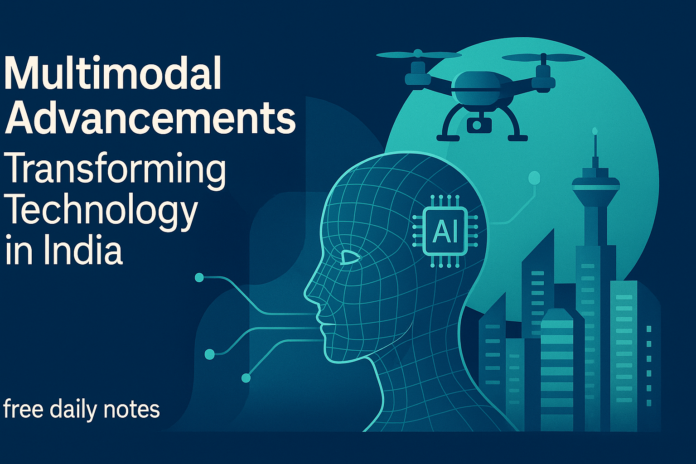
Multimodal Advancements | Transforming Technology in India

0
Multimodal Advancements
Multimodal Advancements | Transforming Technology in India

Would you believe that multimodal advancements have reached a point where 87% of AI tech companies in India are now integrating audio, visual, and text data into their systems? These innovations are streamlining processes, increasing productivity, and redefining how technology interacts with users across diverse environments.

How Multimodal Advancements Are Changing the Game

Today, machines can process multiple inputs simultaneously. For example, self-driving vehicles can analyze weather conditions, detect pedestrians, and read road signs all at once. This level of integration is powered by smart algorithms and cultural understanding, making them suitable for India’s multilingual and multifaceted society.

From healthcare apps that recognize speech patterns to systems that interpret hand gestures and facial expressions, multimodal advancements are making technology more accessible and inclusive than ever before.

Key Takeaways

  • 87% of Indian enterprises deploy AI with integrated voice, video, and text functions.
  • Multimodal advancements enable real-time processing of multiple data types for smarter decisions.
  • Context-aware systems simulate human comprehension of regional languages and behaviors.
  • These innovations support India’s goal of equitable digital growth.

The Evolution of Multimodal Systems

Multimodal Advancements

AI has come a long way from basic tools to full-fledged systems that mimic human senses. The journey required years of research and the fusion of advanced technologies like thermal imaging, sound analysis, and motion sensing. This evolution is often referred to as “digital synesthesia” the ability of machines to process information like humans do.

Initially, AI systems operated in silos voice assistants couldn’t understand faces, and image recognition tools ignored sounds. But with multimodal advancements, we’ve moved toward systems that process multiple data streams simultaneously, just like human cognition does.

Major Milestones in Sensory Integration

YearMilestoneImpact
2018Initial Text-Image Fusion ModelsImproved e-commerce marketing and content creation for non-native English speakers.
2021Audio-Visual SynchronisationAdvanced dubbing tech, security systems, and educational tools for regional languages.
2023Full Multimodal Transformer ArchitecturesBetter crop yield predictions and agricultural planning in Andhra Pradesh.

Foundational Technologies Behind Multimodal Advancements

Modern multimodal systems rely on three key technologies:

  1. Neural Network Models: Advanced attention mechanisms help highlight crucial data points, enabling systems like Reliance Jio’s 5G network to process video, voice, and sensor data together.
  2. Data Fusion Methods: Early fusion works best for synchronized tasks like lip-reading, while late fusion is ideal for combining processed data, such as matching videos with license plate info.
  3. Real-Time Processing Engines: With custom chips and edge computing, Jio’s 5G networks can translate Tamil speech into Hindi within 8 milliseconds without losing emotional tone.

Recent Applications Across Industries

Healthcare Diagnostics

In rural areas, Apollo Hospitals uses a multisensory patient evaluation system that combines thermal imaging, voice analysis, and visual cues to deliver fast and accurate diagnoses. A farmer from Bihar received a malaria diagnosis in under 12 minutes thanks to multimodal advancements.

Smart City Transportation

Delhi Metro has implemented a modern system that includes facial recognition, crowd density monitoring, and voice-controlled assistants in 8 regional languages. This integration reduced peak-hour delays by 18%, enhancing commuter experience through multimodal advancements.

Human-Like Interactions Through Multimodal Advancements

Creating responsive AI requires blending perceptual sensing, adaptive learning, and machine vision that simultaneously interprets speech, gestures, and emotions.

Natural Language Understanding Layer

Natural Language Understanding Layer

The Bhashini Initiative enables contextual speech recognition in 22 scheduled Indian languages. For example, it accurately transcribes colloquial phrases like “ATM machine” in Tamil as “பண எந்திரம்” using phonetic pattern detection.

Visual Perception Modules

AI-powered kiosks in Mumbai metro stations use gaze tracking to automatically display route maps. Gesture-controlled ATMs developed by Tata Elxsi combine voice and hand movements for better usability.

Emotional Intelligence Integration

Startups like Entropik are developing systems that recognize nuanced emotions through facial expressions and tone of voice. In telehealth, these multimodal advancements help doctors identify discomfort during consultations.

Step-by-Step Implementation Guide

Step 1: Data Collection & Labelling

Step-by-Step Implementation Guide

To build effective models, collect datasets that include:

  • Voice and text data in 22+ Indian languages
  • Visual images from both urban and rural settings
  • Sensor data from agriculture IoT devices

Step 2: Model Training

Select and train models suited for India’s unique needs:

  • Transformers for multilingual processing
  • 3D convolutional networks for spatial data
  • Hybrid models for low-bandwidth environments

Step 3: Deployment & Feedback Loops

Deploy models using frameworks like AWS SageMaker and Google TFX. Ensure compliance with Aadhaar and DPDP Act regulations. Use UPI-based surveys to collect feedback and improve performance continuously.

Spotlight on Indian Innovations

Bengaluru’s AI Startup Ecosystem

Bengaluru hosts over 400 AI startups and 70% of India’s top tech firms. One standout company, SigTuple, applies AI to remote diagnostics, including smart microscopy and disease prediction models.

Government-Led Digital India Initiatives

NITI Aayog’s National AI Strategy focuses on multimodal urban planning, disaster coordination, and agriculture advisory systems that take voice input in local dialects.

Challenges in Implementing Multimodal Advancements

Data Privacy Concerns

With the introduction of the DPDP Act, ensuring end-to-end encryption and localized storage is essential. Consent mechanisms must clearly explain how multi-sensor data will be used.

Resource Management

Computational power can be optimized through edge computing, adaptive quality degradation, and hybrid cloud setups. The National Informatics Centre improved rural telemedicine by 60% using these methods.

Ethical Implications of Multimodal Advancements

As AI becomes more immersive, ethical design is crucial. NASSCOM’s guidelines ensure transparency and fairness in AI decision-making. IIT Hyderabad leads bias mitigation strategies, ensuring balanced training data across age groups, regions, and disabilities.

Getting Started with Multimodal Development

India’s growing open-source ecosystem makes it easier than ever to build multimodal systems. Developers can leverage tools like:

  • Saraswati Toolkit (IIIT Bangalore): Syncs text to video for 12 Indian languages
  • OpenCV India Fork: Ideal for low-bandwidth applications
  • TensorFlow Multimodal Extended: Perfect for agricultural data analysis

Skills Gap Analysis & Roadmap

Develop skills in cross-modal processing with this roadmap:

  1. Foundational Skills: Free NPTEL certification courses on “Multimodal AI Basics”
  2. Practical Implementation: 6-week hackathons at IISc
  3. Mastering Deployment: Cloud credits from MeitY for scaling solutions

Future Outlook

From holographic communication to emotion-aware personal assistants, multimodal advancements are shaping the future of interaction between humans and machines. Tata Group’s Project Aindra and Airtel’s 5G interfaces are leading the charge in creating life-sized 3D interactions and tactile feedback systems.

Conclusion

India’s journey in multimodal advancements reflects a blend of innovation, inclusivity, and adaptability. Whether it’s diagnosing diseases remotely or improving urban mobility, the impact of these technologies is already being felt across sectors.

As developers and businesses continue to adopt these tools, India is positioning itself as a global leader in culturally aware, inclusive AI. Start exploring the possibilities today and be part of the next wave of technological transformation.

FAQs

How do multimodal advancements benefit India’s digital transformation?

They address specific challenges in healthcare, transportation, and education by integrating voice, visual, and sensor data for better user experiences.

What key milestones mark India’s progress in sensory integration?

IIT Madras’ early fusion studies, SenseAI Labs’ audio-visual sync in 2021, and Reliance Jio’s agricultural sensor networks in 2023 show major leaps in multimodal advancements.

How does real-time processing work despite infrastructure constraints?

By using edge computing, federated learning, and adaptive quality controls, developers optimize performance even in low-bandwidth environments.

What makes India’s approach to emotional intelligence in AI unique?

Systems like Bhashini and Tata Elxsi’s gesture recognition tools capture the nuances of Indian culture and language, making AI more empathetic and relevant.

How can developers start building multimodal systems for Indian markets?

Use AWS India templates, participate in NPTEL training, and apply for funding under MeitY’s GenAI initiative.

How does India mitigate bias in multimodal AI systems?

Through diverse dataset curation, regional sampling, and audits guided by NASSCOM and IIT Hyderabad, multimodal advancements remain fair and representative.

What emerging multimodal advancements should enterprises watch?

Holographic interfaces, tactile feedback systems, and LIDAR-voice integrations are among the top trends transforming industries today.

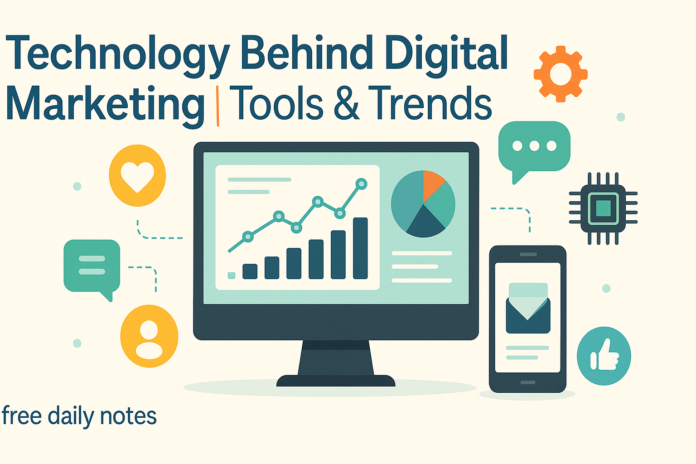
The Technology Behind Digital Marketing | Tools & Trends

0
Technology Behind Digital Marketing
Technology Behind Digital Marketing | Tools & Trends

From AI analytics systems to UPI payment integrations, small and medium enterprises in India are finally getting the technological tools that cater to the unique population and market dynamics of the country. These technologies have helped integrate their businesses to the global market, making them scale.

As overwhelming as it may be, these tools also help local companies adopt global strategies for their businesses while establishing their identity.

The Technology Behind Digital Marketing Fueling the Business Ecosystem

For offline or online businesses based in Mumbai or even Jaipur, catching up with international competition requires advanced technology-driven tools.

At its core, social media marketing may seem like just another way to passively advertise your brand, but backtracking it is far from simple. With a backbone of highly complex AI automation techniques, data analytics, and niche tailored algorithms, restoring client interest becomes easier, allowing marketers to shift their focus onto other crucial areas.

With marketers targeting mobile clients from all over the globe who speak more than 22 different languages, along with strict privacy regulations made by the DPDP Act, the Technology Behind Digital Marketing enables ethical, boundless worldwide expansion.

Technologies Influencing Innovative Information-Based Strategies in Digital Marketing

1. Marketing Automation Platforms

Modern technologies continue to shape how businesses operate.

Marketing Automation Platforms

Simply put, automation is the completion of different types of work with little or no human participation. Marketing automation tools take care of everything from workflow management to customer tracking.

Best Automation Tools Selected for Indian Businesses:

  • HubSpot: Best tailored for growing and startup businesses. Its free account and email marketing features are its selling points for SMEs.
  • Marketo: Created for big B2B enterprises that require extensive segmentation, lead scoring, and multilingual features.
  • Zoho Campaigns: With Hindi/English interfaces and WhatsApp integration, it is affordable and therefore popular among Indian SMBs.

A Mumbai-based e-commerce brand managed to increase their conversion rates by 40% using predictive analytics with automated follow-up through these tools.

2. Content Optimization Using AI Technology

Over the past few years, the process of creating content has changed drastically. AI is now used to produce SEO-based content while also ensuring consistent branding across various teams.

Key Tools:

  • Frase.io: Especially useful in crafting voice search content for local audiences, which is vital for India’s smartphone-first population.
  • Grammarly Business: Maintains tone uniformity and error-free content for multilingual publishing teams beforehand for periodical publishing.

These advancements in digital marketing technology allow widening the audience businesses can advertise to. Though northeastern states like Tamil Nadu, Maharashtra, and West Bengal have different languages, these tools are highly useful.

3. Retrieving Real-Time Data-Driven Insights

Any marketing strategy that has chances of being successful must be backed up by data.

When coupled with Google software such as GA4, marketers receive rich insights on payment interfaces and video attendance analytics.

A fashion retailer based in New Delhi increased its conversion by 37% after monitoring and GA4 region-specific button click data.

4. SEO and Backlink Tools

Using search engines such as Google provides one of the best ROI when driving traffic. Ahrefs and SEMrush share keyword data, gaps of competition, and general backlinks health.

Choosing Between Ahrefs and SEMrush

ToolsAhrefsSEMrush
Keyword ResearchVoice and long tail queries excelSentiment Hindi analysis with local volume filtering
Backlink TrackingLive index page updates are good for .in domainsDetailed domain reports on toxic link detection
Regional SERP TrackingCity level reporting (Paid)State level reporting (Free)

Both tools are critical for Indian marketers intending to penetrate geo-targeted territories.

5. Social Media Management Tools

With more than 500 million active users, they form a huge social media ecosystem in India. This makes the need for robust tools for managing scheduling, sentiment analysis, and even crisis management more necessary.

Hootsuite: The Central Command Hub

Hootsuite allows marketers to:

  • Respond to PR crises quickly to protect reputation
  • Note popular hashtags during festive times like Diwali or Pongal Festival
  • Post in Hindi, Tamil, and Bengali

A startup company in Delhi leveraging Hootsuite’s tools was able to reduce brand sentiment loss by 68% in under 3 days during a PR Log crisis.

6. Customer Journey Mapping Software

Customer Journey Mapping Software

Tracking user steps in sales funnels to improve conversions begins with understanding user behavior on the website. Hotjar provides heatmaps and recordings of user sessions to capture user experience problems.

For Hotjar:

  • Optimizing user experience and identifying UPI screen latency issues for rural users.
  • Increase mobile user experience for JioPhones through larger click targets for better UIs.
  • Rural sales for Gujarati UPI instructions improved advertising through bilingual instructions.

A Rajasthan-based eCommerce brand saw a 19% uplift in sales after changing their website checkout process utilizing Hotjar insights.

7. Voice Search & Regional Language AI

85% of voice searches in India are conducted in vernacular Indian languages. It should be one of the priorities for all businesses moving forward.

Voice Commerce Examples:

  • Developing Hindi-based question-and-answer capabilities for farmers (weather, crop value inquiries).
  • Purchasing on demand through voice by using command “buy” integrating UPI gateways.
  • Deploying accent-neutral speech recognition with Bhashini AI toolkit.

By deploying a Hindi voice service tailored for rural customers, a Mumbai-based startup was able to increase sales by 200% in six months.

Advancements in the Technology Behind Digital Marketing

With new innovations and technology, the way brands connect and interact with customers is changing profoundly.

Blockchain for Ad Verification

Ad fraud in India incurs an estimated cost of ₹10,000 crores every year. Blockchain can verify ad impressions in real time, providing a transparent method.

Decentralized Identity Verification

Affle’s Zapr and similar applications verify users using blockchain without revealing their identity, thereby cutting down fake traffic by 37%.

UPI-Powered Marketing Ecosystems

Not only is UPI a payment method, but it can also serve as a marketing tool. Brands use UPI IDs embedded in ads, QR codes, and referral programs to drive engagement.

FeatureImpact
UPI Mandate AdsSupports recurring subscriptions
QR Code AnalyticsOffline-to-online conversions tracking
Cashback RoutingInstant rewards drive traffic referrals

One jewelry brand experienced a 218% increase in sales during the Diwali Season of 2023 due to cashback offers linked through UPI.

Challenges in Implementing Technology Behind Digital Marketing

These technologies, though highly useful, are very difficult to incorporate due to the following:

Data Privacy Compliance

With the introduction of GDPR and DPDP Act, compliance needs to be taken seriously.

Tools such as OneTrust and DataGuardian assist in the management of consent banners and audit trails.

Integration Complexity

Working with different platforms requires a certain level of coordination and can sometimes be tedious. For example, integrating HubSpot with Google Analytics 4 for consolidated reporting may prove difficult.

Cost Barriers

Global tools pack many powerful features, but competitors like Zoho and Gupshup offer regionally tailored tools that are more affordable for smaller businesses.

How Indian Businesses Benefit from Localized Solutions

India’s digital ecosystem stands out. The country having linguistically diverse mobile users and an expanding internet audience in rural areas creates new opportunities.

  • Multilingual Support: Chatbots and CRMs function in over twelve Indian languages, which enhances customer support even in Tier 2 and Tier 3 cities.
  • UPI Integration: Payment gateways such as Paytm and Razorpay provide smooth checkout processes which enhance online shopping conversions.
  • Regional Targeting: SEO tools permit SERP monitoring and campaign tailoring to preferences at the city level, optimizing strategy execution.
  • Compliance & Security: OneTrust helps businesses comply with EU GDPR and Indian data protection laws by providing multilingual consent banners and audit trails.

Conclusion: Strategy Must Be Update-Proof and Right Tools Help

Knowing the Technology Behind Digital Marketing is more than keeping up with the times; it equips your business to scale sustainably.

The addition of automation, AI, and data analytics to your campaigns equips you to gain customer insights, enhance efficiency, and increase conversions.

Whether it’s optimizing for local search, stream managing social media, or analyzing customer journeys, the right tech stack makes a difference. Start with small steps like testing free tools such as HubSpot or Canva Pro, then gradually construct a holistic digital marketing strategy tailored to Bharat’s digital footprints.

FAQs

What makes modern marketing automation tools essential for Indian businesses?

They help in completing tasks at hand, tailoring messages sent, and even aiding in campaigns that require multiple languages. This is crucial in order to compete in diverse markets.

How has the Technology Behind Digital Marketing evolved for voice search optimization?

SEO is no longer keyword-based; it’s powered by natural language processing. For India, the ability to respond to Marathi or Hindi voice queries is increasingly critical because of the growth in voice commerce.

Which digital marketing tools ensure DPDP Act compliance for Indian startups?

DataGuardian is one of the language service providers that has cookie consent managers for multilingual websites, and offers affordable compliance-ready packages for SMEs.

How do AI-powered chatbots treat the regional language demands of India?

Gupshup’s vernacular NLP models have a good grasp of Tamil and Bengali, attracting audiences in Tier 2 cities where English is not widely spoken.

Which SEO technologies are most productive on domains that end in .in?

SEMrush’s Position Tracking is most effective with Hindi keywords, while backlink analysis for local websites is more real-time accurate in Ahrefs.

How does Hotjar’s technology improve conversion rates for Indian e-commerce?

Hotjar’s mobile heatmaps clearly outline why users drop off at the mobile checkout—chiefly for UPI payment complications. Insights from session recordings have optimized conversion funnels, resulting in a 37% increase in conversions.

Which new technologies will change the face of digital marketing in India?

Blockchain-based advertisement verification solutions help in dealing with advertising fraud in India, which costs around ₹15,000 crores annually. Decentralized identity frameworks promise transparent campaigns under the Digital India initiative.

Vada Pav | The Famous Street Food from Mumbai That You Should Not Miss

0
Vada Pav
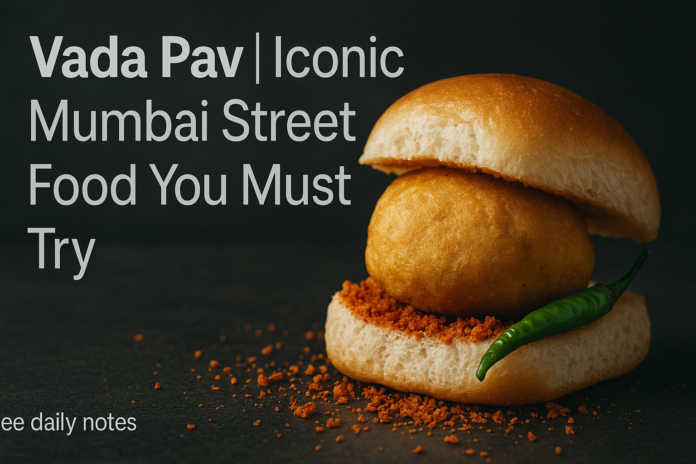
Vada Pav | Iconic Mumbai Street Food You Must Try

Imagine the city of Mumbai consuming over 2 million vada pavs daily! That is enough to circle the city’s coastline two times! This bun stuffed with potatoes is no longer simply a snack but a staple meal for students, office workers, and families alike in one of India’s most populated cities.

Watch this spicy dish travel from railway stalls to gourmet trucks here:

What keeps this mouthwatering dish afloat is not only the crispy batter and chutney, but also the pulse of Mumbai itself. This affordable dish reflects the city’s captivating and powerful spirit, all wrapped in a bun.

As the smell of fresh vada wafts through the air, it is no wonder that from corporate parks to college campuses, people are bound to share their memories of encountering vada pav for the first time along with street vendors who serve every single order with a sprinkle of magic.

Highlights

  • It acts as Mumbai’s most economical complete meal, sometimes costing less than a bus fare.
  • Symbolises social cohesion across various social strata in society.
  • It began in the 1960s in Mumbai as a portable meal for mill workers.
  • The goal is to inspire modern fusion varieties while preserving traditional recipes.
  • Authentic taste requires specific regional ingredients, like pav bread.

This edible symbol explains why chefs around the world refer to it as India’s answer to the burger. Whether you plan to visit Mumbai or prepare it at home, each bite reveals a unique story.

The Vada Pav Tale

vada pav

The streets of Mumbai first saw the introduction of India’s “common man’s burger” or “pav,” in the 1960s. In the 1960s, when people were always in a hurry, factory workers, travellers, and wanderers discovered a new dish: spicy mashed potatoes sandwiched in soft complimentary bread.

Ashok Vaidya’s stall at Dadar Railway Station (1966)

This fusion caught the eye of Ashok Vaidya, who realised commuters were swarming for a ready meal, which he serves until this very day at his Dadar station platform 1 stall. The vada pav became incredibly popular because:

  • They were super affordable, priced at just 25 paisa. They were particularly suitable for millers.
  • The potato balls stayed warm for a couple of hours.
  • The bread rolls were pavs rather than overpriced buns.
  • It was incredibly easy to carry and eat on the go: perfect for commuters and factory workers.

By 1971, Vaidya was vending 400 vada pavs on a daily basis. His garlic chutney remains well known among Mumbai’s snack lovers.

Sudhakar Mhatre’s Parallel Contribution

Some 12 km away in Kurla, Sudhakar Mhatre also created his unique version of vada pav. What is his twist? The “double-decker” vada pav with:

  • Chutney slathered between two patties.
  • Toasted the bread for an extra crunch.
  • Pork has dry garlic seasoning.

This competition propelled both creators, enriching the city’s variety of culinary delights.

Khidki Vada Pav Legacy in Kalyan

Kalyan was integrated into street food innovation in 1969 when the Vaze family started the stall. They added:

  • Window glass partitions for a clean view of prepared food.
  • Pre packed portions for office workers.
  • Consistent shape because of molds made from metal parts.

Several vada pav outlets now employ this “khidki” (window) concept. The great-grandchildren now use their ancestral chili-garlic paste.

These innovators showed that they could add dignity to Mumbai’s popular snacks without compromising their affordability. Today, their efforts feed close to 2 million people every day, all for the cost of a bus ride.

What Exactly is Vada Pav?

It’s a deep-fried potato sandwich, served with a sandwich-style soft bread. As Mumbaikars call it, the vada pav is crispy, soft as well as hot, sweet, and cheap.

The Anatomy of Mumbai’s Burger

Vada pav is as simplistic as it is delicious. It contains a golden batata vada — that’s a potato dumpling, fried in chickpea batter — tucked into a pav, which is a soft bread roll.

The inside of the pav is where the magic happens with the three chutney combinations. The garlic and chili paste adds heat, the tamarind-date sauce adds sweetness, while the coconut chutney adds a refreshing element. Each bite reveals a delightful blend of crunchy and soft ingredients.

Elements Breakdown

The batata vada receives its crunch from the flour coating, the besan coating, and the coriander flavor. Turmeric and mustard seeds flavour the potato-flavoured bread. And the pav bread is quite unique, created specifically to hold chutneys without getting soggy.

This snack has better texture than any fast food burger anywhere in the world. You have crunchy fritters, soft bread and creamy chutney. Oh, and it is less expensive than a soda.

Cultural Importance in Mumbai

The tale of vada pav depicts the transformation of an industrial hub, Mumbai, into a contemporary city. A snack turned into an important meal provided by food stalls and later into a unifying symbol. Let us understand how this bun filled with mashed potatoes turned into a mark of identity for Mumbai.

From Mill Workers to Office Goers

During the 70s, vada pav was very popular among the workers of textile mills. Its high energy and low price were ideal for long workdays. When the mills shut down in the 1980s, vendors found new customers.

Vada Pav Prices Across Eras

EraPrimary ConsumersAverage PriceSignificance
1970sMill Workers₹0.50Survival food
1990sCollege Students₹2Budget meal
2020sOffice Professionals₹15-30Nostalgic snack

Currently, vada pav is enjoyed together by ladies and gentlemen from all occupations. The reason alongside Mumbai’s sale of over 2 million vada pavs is socialization.

Fast Food Economics

It’s price meant that Vada Pav could become the first vegetarian fast food in India that can compete with burgers. Also, it uses local ingredients:

  • Potatoes – ₹10/kg
  • Bread – ₹25/kg
  • Chutneys – Seasonal

It also meant that this street food could be produced on a larger scale. A single cart can make ₹5,000 – ₹20,000 per month. According to food historian Vikas Doctor:

“This is a positive example of how street food is economically accessible. It is cheap to make vada pav.”

At the present time, in addition to the traditional one, many restaurants serve truffle vada pav, so the timeless classic always remains in stock. As a result, truffle vada pav has maintained its status as Mumbai’s favourite food.

Key Ingredient Analysis

The most exquisite Vada Pav must include three vital parts: the stuffing, which is the idli, spicy chutney, and bread that is soft. As we now know, each one plays a significant role.

Potato Filling Secrets

For fluffier mashes, consider using starchy potatoes such as Kufri Jyoti or Rajendra. However, make sure to boil them with the skin on. Peeling and crushing is the next step, but blending is an absolute no. Street vendors recommend spice mix:

  • 1 tsp. mustard seeds (tempered in oil).
  • ½ tsp asafoetida
  • 6-8 fresh curry leaves

Selecting The Correct Potato

TextureBest For
Kufri ChandramukhiCreamy
RussetFlaky
Red PotatoesAvoid for vada

Selecting The Correct Bread

For softness, pav dough contains 60% to 70% water. Authentic should contain:

  • Golden-brown crust
  • No flour on surface
  • 4-Inch diameter (Perfect Vada Fit)

“The bread should sigh when crunch, not crunch, that’s the test of fresh pav.” – Mumbai Pav Supplier Association

Chutney Trinity Essentials

This year, there was a sponsored Texan festival in Maharashtra. Each family that brought a pav could put signs of their area. “Find me a marriage partner from Gujarat.”

Spicy chutney trio flavor balance: Balanced spice with ¼ tsp jaggery in the garlic paste, and chillies add a real kick when blended with coconut.

  • Garlic-Chili: 1 red chili to garlic ratio
  • Tamarind-Date: Soak both for 2 hours then blend after
  • Coconut: Use roasted copra for nuttier taste

Comprehensive Preparation Checklist

Mumbai’s popular street snack requires precision at each stage. We’ll show you how to transform basic components into crispy vadas engulfed in pav using vendor-approved techniques.

Comprehensive Preparation Checklist

How to Make Batata Vada

1. Boiling and Mashing Potatoes

Choose floury potatoes like Kufri Jyoti for the best texture. Boil the whole potatoes and then place them in a warm environment for easy peeling. Following that, they should be coarsely mashed for volume to prepare the vadas that are light and airy. To get the ideal softness, the potatoes need to be tender.

2. Tempering the Filling

Pour some oil into a kadai and wait for it to cool; in the meantime, you can chop:

  • 4 green chillies
  • 8-10 curry leaves
  • 1 tsp mustard seeds

Combining the hot oil pouring from the pan with the smashed potatoes creates unique flavors. In addition to the potatoes, incorporate roasted peanut powder and chopped onion. Mixing by hand ensures that the flavours are consistent, which is why street vendors from Mumbai recommend this method.

3. Tips for Consistency of Batter

In a mixing bowl, add the contributions of turmeric, rice flour, and gram flour. Begin to add water slowly while mixing. The batter should:

  • Coat the back evenly
  • Leave trails
  • Form a ribbon for 2 seconds when dropped

“Batter should be tested with a single vada first. If it floats immediately when dropped into hot oil, your batter is perfect.” – Rajesh Patil, Batter specialist for 20 years

Assembly of the Sandwich

Take the pav bread and split it in half along the circumference without cutting all the way through. Using the backside of a spoon, spread garlic chutney so it coats both sides evenly. Place a fried vada in the centre and gently push it down. Incorporate the tamarind date chutney into the vada. Wrap it in wax paper to make it look like street food.

Some vendors sprinkle green chilli between the bread to achieve additional crunch. The delicious flavour these vadas offer significantly enhances this dish.

Chutney Making Instructions

A delicious vada pav cannot exist without these three chutneys. With them, plain foods become extraordinary. Every family prepares them uniquely, following the ancestors’ instructions and incorporating their special secrets.

Garlic Chili Paste Method

To make this sauce mouthwatering, use roasted garlic which brings smoky flavor. For every garlic bulb, use 8-10 Kashmiri chilies. Combine with rock salt and lemon juice to create a paste.

This recipe can be kept in an airtight jar for 15 days. The lemon keeps this fresh for longer.

Tamarind-Date Balancing Act

Get the mix right–two parts tamarind to one part dates. Add roasted cumin to balance the sweetness. They should be soaked overnight and blended. Does wonders.

Glass jars are the best way to store this chutney, which has a fridge life of three weeks.

Coconut Chutney Variations

Coastal regions use fresh coconut while burnt flakes are used inland. The classic mix is:

  • Fresh coconut (50%)
  • Roasted chana dal (30%)
  • Green chilies (20%)

Adding mustard oil extends the shelf life, keeping it fresh for 10 days.

Chutney Varieties

Principal IngredientsTaste ProfileExpiry Duration
Garlic Chili: Mirchi chilies, garlicSmoky & Spicy15 days
Tamarind-Date: Tamarind, dates, cuminSweet & Tangy21 days
Coconut: Coconut, chiliesCreamy & Nutty10 days

For the optimal combination, layer the chutneys in the following order: garlic paste first, followed by date, then tamarind-date, and finally coconut. The oils enhance the taste while keeping it fresh.

Pro Tips on Serving

My favourite way to enjoy vada pav is how unique street food chefs have designed it to be both practical and delicious at the same time. Here’s a simple way to try it out at home or bring it to your establishment.

The Strategic Smash

The strategic smash is key, especially when starting with the bread. Let’s make sure the vada rises slightly so the sides are showing.

  • Facilitates even coverage
  • Achieves optimal ratio of filling

The vendors use a palm-and-twist motion that seems natural to them. It’s tougher than it looks!

On The Go Wrapping

Vada pav specialists in Mumbai prefer using newspaper for wrapping. While many now use greaseproof paper for hygiene, the wrap accomplishes three things.

  • Steam management for warmth retention while chutney leakage is prevented.
  • Tight wrap for seamless transport

Texture is best achieved when served within 7 minutes of wrapping. Filling is hot while bread is perfectly crisp.

Regional Variations

Regional Variations

Culinary ingenuity South Indians are contributing to the broader Pav invention. The dish is an emerging street delicacy. From north-eastern India, chefs are incorporating their cultural elements along with local ingredients. Let’s examine three outstanding variations that are transforming Indian street food.

Pav Samosa, Punjabi style

They skip the potato vada and swap it with samosa in the northern parts of India. Vendors stuff soft pav with:

  • Aloo stuffed samosa
  • The chickpeas were drizzled with masala
  • Cabbage and green onion pickles are drenched

This married the pungent crunch with spice mash. It is best enjoyed with masala chai in Amritsar and is laden with shredded cabbage from street vendors in Delhi’s Chandni Chowk.

Goan Cheese Vada Fusion

From the Portuguese influence in Goa comes a twist on the vada pav of Mumbai. Some local forms are:

  • Goan Pao (soft, delicately sweet bread)
  • Vadas stuffed with spicy chorizo or local kalayel cheese
  • Coconut-scented chili dip

Beachside shacks in Panaji fry these golden orbs in coconut oil. They match it with Kokum sherbet to cut through the decadence. This fusion wonderfully displays the Goan love for flavors and the sweetness of tropical ingredients.

Hyderabadi Mirchi Bajji Version

Telangana’s version of vada pav uses chili bajjis. Street vendors:

  • Batter-fry large chilies filled with peanuts
  • Stuff into crusty Osmania rolls
  • Top with sesame chutney

Decades of sales around Charminar and right into the heart of Hyderabad serve the sweet bomb version blended with the fiery heat of sweet tamarind sauce. In Secunderabad markets, this is a must-have late-night snack, served with Irani chai, out of reach of the scorching sun.

This is a glimpse of what other regions around India have to offer with their creativity using vada pav as a canvas. Each edition celebrates the city’s tastes, from the loud samosa blasts of Punjab to the tropical cheese toss of Goa, while respecting the original.

Your Guide To Finding Real Vada Pav

Mumbai has a unique love for vada pav, which transcends beyond simple street food. For the best vada pavs, search for those iconic stalls aged 50 years and older. Here are three landmarks that show what has made Mumbai’s vada pav culture thrive.

Ashok Vada Pav Stand, Dadar

Ashok Vaidya’s stall, located just meters from Dadar Station, has stood since 1966. It is a legendary stall servicing the wonderful people of Mumbai. Make sure to get there before noon, or else you will spend 30 minutes waiting in long lunch queues. To make the experience even better, they add an incredible twist by frying the potato patty in chickpea batter

Opens at 11 AM and closes at 7 PM, it has cash-only policy. Make sure to grab the “combo plate” containing the beloved vada pav and fried chili with a side of sweet-sour chutney. The best place to sit is the tiny standing room directly next to the stall, where locals love to congregate.

Khidki Vada Pav Experience

Kalyan’s Khidki Vada Pav has been servicing vada pavs through their famous window service since 1975. Presently, they serve more than 1,500 vada pavs every day through 6 windows. They add garlic chutney for an extra kick with a secret ingredient, freshly grated coconut.

For those seeking a more convenient time, the store is open from 8AM to 6PM. Every sandwich is served with a plastic wrap during the monsoon season, which is great for keeping the food fresh. Do not miss the 4 PM batch with extra-spicy vada; it is delicious! You won’t find much parking, but auto-rickshaws surround SV Road just 50 meters from the stall.

Churchgate’s Beachside Vendors

To get sunset vada pav, head to Churchgate’s western exit. Sea-viewing vendors open from 5PM to 10PM. They toast the bread using charcoal griddles.

These vendors fully embrace digital transactions, but do not throw away the small change on busy days. Nearby tea stalls now offer snacks to complement their cutting chai. Worli Sea Face, the third cart, is renowned for its cutting chai. The blue umbrella and loud laughter are the distinguishing features.

Nutritional Analysis

As long as you know how to enjoy it, Mumbai’s vegetarian fast food is both delicious and nutritional. The crispy batata vada and soft pav complement each other perfectly. But how does it figure into your diet?

Calorie Count Reality Check

A standard vada pav contains between 250-300 calories, pretty much the same as a veggie burger. The individual components add up like this:

ComponentCaloriesKey Nutrients
Potato Vada150-180Carbs, Vitamin C
Pav Bread80-100Fiber, Iron
Chutneys20-30Antioxidants

Balancing The Meal

This is how you can ‘raise’ your vada pav meal:

  • Swap out Nimbu Pani for vitamin C better delivered fresh.
  • Add Kachumber salad with more tomatoes and onions.
  • Switch to steamed sprouts for extra protein.

In short, our advice? Enjoy vada pav, but not every day. For daily eaters, switch out to baked vadas or whole-wheat pav, although some might argue those options are not authentic.

Fusion Variations

Vada Pav is not only a simple meal, but you can customise it to your liking. It’s no wonder it serves so well to build a sandwich with fritters on a special occasion, but let’s add a twist to the classic Mumbai snack without losing its essence.

Healthy Baking Alternatives

Trying to bake or air fry instead of deep frying can save a few calories here and there. Here are some suggestions:

  • Fiber-rich coating for vada: use chickpea flour mixed with oats.
  • Replace white bread with a whole grain pav or a lettuce-wrap.
  • Incorporate grated zucchini or carrots into the potato filling for additional nutrients.

Pro tip: For a healthier option, coating vadas with sesame oil and then air-frying them at 375° for 12 minutes will result in a nice golden brown finish without excess grease.

Gourmet Toppings Experiment

Add some flair to your potato fritter sandwich:

  • Truffle garlic chutney
  • Minty feta crumble
  • Sliced quick pickled radish
  • Smoked paprika aioli

Top it off with a fried egg or mashed avocado for brunch! These toppings stay true to the sandwich while enhancing its flavour.

Mini Vada Pav Party Bites

Put together new appetizers with:

  • Use a melon baller to create quarter-sized vadas.
  • Toast the mini slider buns or baguette slices.
  • Assemble with chutney pipettes.

Place them on multi-tiered stands decorated with colourful toothpicks, perfect for weddings or game nights. Their small size makes them perfect for trying different flavours.

Conclusion

Vada pav is a beloved street food in Mumbai. What started with Ashok Vaidya’s stall has now evolved into Khidki Vada Pav, known for its unique spice blend and fresh ingredients. Every day, millions of people are fed by the potato fillet of heaven.

Our research reveals the story behind the journey of this food item from a simple snack to a cultural icon. It fuelled factory workers during the 1960s and continues to provide a boost to office workers today. It is undeniably a remarkable success story.

The allure of vada pav is its ability to be tailored to individual preferences. For example, people can enjoy spicy sauces at Churchgate or make a healthier version at home. Each bite transports you to the very heart of Mumbai.

It also showcases its culinary diversity through Goan cheese-stuffed vadas, a dish that adapts without losing its essence.

We also encourage individuals to make their own vada pav using natural ingredients, eliminating the need for store-purchased authentic products. For that, simply learn the garlic chili paste from our tutorial or buy it from Dadar’s original stall. Once ready, share it with the #MumbaiVadaPavChallenge

In doing so, your kitchen becomes part of Mumbai’s historical food legacy. What new spin will you introduce to the cherished dish?

FAQ

Who invented vada pav?

It is best to give credit to Ashok Vaidya, who had his stall in front of Dadar Railway Station in 1966, and Sudhakar Mhatre, who is largely credited for putting Vada Pav on the map. Furthering the concept invented by the Vaze family, Khidki Vada Pav in Kalyan advanced its use with drive-through service during the 1960s street food explosion, or dubbed ‘the boom’ from the mid-60s.

What distinguishes vada pav from all other Indian street foods?

Vada Pav is iconic for its crispy textures with the golden batata vada nestled in the soft pav bread alongside three chutneys. It’s vegetarian handheld masterpiece filled with spices that competes with international hamburgers while still keeping its Maharashtrian essence.

Where can I purchase authentic vada pav in Mumbai?

We recommend three places: Ashok Vada Pav’s original shop next to Dadar Station, Khidki Vada Pav in Kalyan for their window service, and Churchgate’s beachside vendors for the delicious views of the ocean while consuming the spicy potato fritter sandwich. All these vendors use traditional methods from the 1960s.

Is vada pav suitable for a vegetarian diet?

Vada pav is entirely vegetarian street food, we confirm. Animal products are absent in the recipe, the potato filling gains its richness solely from spices, and the pav bread is mostly egg-free. Please check the chutney’s dietary needs with vendors to ensure strict rules are followed.

What can I do to ensure my homemade vada is not soggy?

Take note of two expert suggestions: Keep the oil’s temperature at precisely 350°F, and let the batter-coated vadas sit for about 2 minutes before placing them in the oil. If you want to make it extra crispy, use the tandoori method of double frying: cook it all the way through at a lower temperature first, then give it a quick crisp at a high temperature before serving.

What other tips do you have for authentic Mumbai-style green chutney?

We expose that real vendors incorporate fresh coriander with its stems, raw garlic cloves, and Kashmiri chillies in a 3:2:1 ratio. The secret? Lightly pound the ingredients using a mortar and pestle before blending; it is more effective at releasing the oil than electric grinders.

Is vada pav a nutritious dish?

We advocate the balanced approach where it is mindful consumption for the vada pav, as one portion has roughly 250-300 kcal. Enjoy it alongside fresh kokum sherbet or cucumber raita for better meal balance. Baked versions of vada are now available from cloud kitchens run by many Mumbai offices for health-conscious clients.

How has vada pav influenced other regional cuisines in India?

Particularly intriguing to us were Punjabi samosa pav (where fried potato-stuffed samosas are substituted for vadas), Goan versions with vadas filled with cheese, and pav with mirchi bajji from Hyderabad. All these adaptations still capture the essence of the original portable sandwich style and add local zing.

Pahalgam Terror Attack | Understanding the Aftermath

0
Pahalgam Terror Attack
Pahalgam Terror Attack | Understanding the Aftermath

Picture the pristine meeting of white mountains and green valleys. Tourists and travellers have found solace in such places up until now. Kashmir’s beautiful tourist-sighted valleys have suffered violence targeting tourists, tourism, and visitors something that wounds far deeper than what mere headlines suggest. The aftermath ripples across the valley too, with family members fighting for survival, businesses jumping towards despair, and the region attempting to rebuild trust and everything they had.

This is not just a tragedy of loss that itself is a massive component but also one of the lack of security that facilitated the chaos that ensued and disrupted lives. Locals who once thrived on tourism’s dependency now face the reality of empty hotel rooms and deserted streets. Yet there is light amid the chaos. Despite the challenges, there will be guidance. Shopkeepers stir awake and begin to tend to their shops, guides return to work, and communities unfurl and unite to rejuvenate the valley.

What approach is next? What steps take action thereafter? How does one focus on evolving safety protocols? What does this recovery mean for the economy of Jammu & Kashmir? These rigid, structural ways of questioning honour the hope we have and aim for while providing direction to those seeking answers.

Important Points

  • Lack of security revealed weaknesses in tourist-prone areas.
  • Local communities incur acute and chronic economic hardships.
  • Emotional and social recovery is facilitated through grassroots efforts.
  • Restoring travellers’ faith requires sincere safety reforms.
  • The delicate tension of remembering while moving forward remains an acute problem.

The Onslaught | An Event Timeline

Pahalgam Terror Attack Aftermath

Violence disrupted the tranquil mountain town of Pahalgam in June 2023. We examine the decisive hours that changed one of India’s picturesque highways into a scene of national horror.

Place and Time of the Event

The ambush happened within the 501 National Highway at exactly 7:15 pm, 12 kilometres to the northeast of Aru Valley, Pahalgam. Patiently waiting in the shadows, crooks watched as tourist buses painfully crawled through the pine-covered stretch, and Dusk aided the attackers. This timing took advantage of decreased light and increased speed.

Identity of Suspects

Through weapon signatures and communications that were monitored, Home Ministry authorities identified Lashkar-e-Taiba as the perpetrator. This Pakistan-based group has viciously attacked Indian security forces during 78% of their onslaughts in Kashmir. The fact that they target tourists is out of character for them.

Intelligence fused this hypothesised strategic change with unguarded shifts in counter-terrorist tourism. “Tourist attacks maximise psychological impact and media attention,” claims a counterterrorism analyst from Srinagar.

Targeted tourist vehicles

Assailants used roadside IEDs followed by automatic gunfire against three private taxis with red “J&K Tourism” stickers. The coordinated attacks immobilised all vehicles within 90 seconds, ensnaring 34 tourists.

Witnesses described attackers checking ID cards before shooting, which suggests the non-locals’ targeted violence was planned in advance. This information is consistent with LeT’s 2021 manuals on “economic warfare through tourism disruption”.

Pahalgam Terror Attack Aftermath | Immediate Consequences

Frenzy and disorder marked the aftermath of the attack. In the first three days, dealing with the injured, expediting the search and rescue activities, and battling the spread of misinformation were top priorities. The aim of these efforts was to reduce the impact of the terror attack.

Fatalities and Injuries Reported

The report indicated the death of 9 individuals. 4 of them were from Delhi. Indian army helicopters airlifted 6 of the remaining 14 injured individuals. Local hospital facilities were overwhelmed with patients focusing on:

  • Stabilising victims of blast injuries
  • Identifying unaccompanied minors
  • Coordinating supplies from the blood bank

First Responders’ Emergency Actions

Security forces set up a three-tier response system within 90 minutes.

  • The implementation of a 5-kilometer police cordon around the attack area.
  • Activation of standby emergency landing procedures for helicopters.
  • Dean’s Office mobile field units with trauma surgeons.

During the operation, a CRPF officer remarked:

“We evacuated the children and elderly victims first, counting every second.”

Initial Media Compulsory Silence and Confusion

The imposition of a 14-hour communication break sparked widespread panic and worry. Social media platforms began making untrue claims concerning:

  • Fake the location of the attack.
  • Hoax casualty figures.
  • Perpetrator motives, e.g., why the act was conducted.

This facilitated the unchecked spread of conspiracy theories until the release of official updates. A journalist based in Srinagar later said:

“All the multiple agencies involved were in charge of coordinating the facts, and the aimed delay aimed to prevent pandemonium, but it would seem that panic was the side effect.”

Kashmiri tourism is affected.

The incident has highly affected Kashmiri businesses. After the attack in Pahalgam, tourists have lost a lot of confidence in going to Jammu. The $2.1 billion industry associated with tourism in the valley has suffered due to security concerns.

Cancellation of Bookings Following the Attack

The Grand Dragon Hotel in Sonamarg experienced immediate impact. According to travel agencies,

“In just 72 hours after the attack, 83% of advance bookings were cancelled.

Yearly package tours of Gulmarg have declined by 22%.

Refund requests for Amarnath Yatra routes have increased by 40%.

Peak season arrivals at Srinagar airport have declined by 15%.”

Economic Impact on Local Businesses

This conference significantly impacts both houseboat owners and shikara operators. The floating hotels of Dal Lake will lose an estimated ₹740 crores this year. A few operators commented:

“After June 9, we received no bookings. This is very unfortunate, especially when compared to lockdowns during COVID.”

A decline in hotel occupancy rates

Pahalgam luxury resorts average 12% capacity. They are incurring significant losses due to deep discounts. Ascendant Key indicators also reveal:

  • The average daily rate has plummeted to ₹8,500 from ₹3,200.
  • Housekeeping hours worked were contracted by 75%.
  • 147 restaurants have lockout periods on Boulevard Road, Srinagar.

Shift in Trust Levels Among Tourists: Long-Term Outlook

Analysts predict a complete cessation of domestic tourism to Kashmir by the third quarter of 2025. Data collected by Skift Research shows:

  • 68% of Indian tourists now refer to J&K as “high risk”.
  • 41% prefer to visit Himachal Pradesh instead of Kashmir for mountain getaways.
  • Only 9% would recommend tourism to Kashmir to relatives and friends.

Ladakh’s tourism department has no hope in sight despite investing 18.4 crores to rekindle lost faith, and it clearly needs further support to justify the budget rationales.

Restoration of confidence requires visible security improvements and months of incident-free operations.

Security Routes in Pahalgam

Pahalgam’s tourist spots received increased security measures after the terrorist attack. Now, there is a blend of protection and convenience for the visitors. These precautions are the result of learning through experience and considering the concerns of tourists.

Increased Military Presence on roads

CRPF began Operation Safe Passage in August 2023. They established 47 check-posts along the Srinagar– Pahalgam highway. Armed units patrol these locations 24/7 with some surprise checks.

  • Tourists in Pahalgam receive RFID tags that allow for real-time tracking.

Analysis of Intelligence Failure

Initial investigations revealed a severe deficiency in human intelligence. They are now using drones and improved communication technology. A police official elaborated:

“We’ve set up alert systems that alert us automatically if someone tries to move without permission.”

New protocols of protection tourism incorporate these changes.

Immediate convoy strategy

There’s a hot debate about the 4-vehicle convoy rule. It prescribes:

Immediate convoy strategy
  • Stationing armoured cars at the front and back.
  • 15-minute interval breaks between groups
  • Approval for the travel itinerary by security

Enhanced Checkpoint Procedures

Checkpoints conduct more checks. Some of these include:

  • Cross-referencing biometric data against databases
  • Scanning for explosives
  • Conducting random checks

Some members of society are disgruntled due to the inefficiency these measures bring. However, tourism operators stress that such action is essential to safeguard everyone. Stevens has been constantly making adjustments to mitigate risks while supporting the local economy.

The Government’s Reaction to the Crisis

The Indian authorities promptly responded to the Pahalgam terror attack. The Indian authorities concentrated their efforts on aiding the victims of the Pahalgam terror attack while simultaneously enhancing national security measures. The Indian authorities accomplished these two functions by combining aid actions with strategic moves.

Statement from the Prime Minister

He has recognised the impact of the terror attack by calling it “targeted violence towards India’s socio-economic growth.” Modi introduced a new 10-point agenda with the three most significant highlights:

  • More effective intelligence-sharing protocols between state and central agencies
  • Emergency response team infrastructure overhaul
  • Specialised counter-terrorism local police unit training

Victim Compensation Package

The report states, “The government will compensate families of the deceased persons with ₹25 lakh,” along with the following provisions:

  • Medical aid for all surviving victims under Ayushman Bharat
  • Educative financial aid for the children of the victims
  • Insurance claim processing

The submission of fast-tracked forms was well received by local authorities, who stationed them at the airport’s aid terminal.

International Border Diplomatic Pressures

The Indian Ministry of External Affairs managed to cut down terror networks by stating:

“Strong evidence was shared with FATF members about cross-border terror financing through Indian tourism.”

The operation was part of the bigger-picture approach as India sought worldwide interventions to prevent certain groups from attacking civilian tourism.

People’s Actions in Jammu and Kashmir

Security units dealt with the Pahalgam attack’s aftermath. But healing Kashmir’s emotional scars was a communal effort. People transformed their sorrow into action in three ways, uniting their society.

Domestic Peace Marches And Vigils

8 districts participated in the August 15 Tiranga Rally with 5000 people. They joined a motion of slogans aimed at oneness. In Anantnag, shopkeepers are unified by lighting their stores every evening.

“This light exemplifies our power,” said Aatif Mir, the organiser of the rally. “We will not allow fear to overpower us.”

Civic Engagement for Victims’ Families

The Kashmir Hoteliers Federation provided rooms at no cost to 47 stranded tourists and first responders. Food delivery to hospitals was done by restaurants while taxi unions provided transport to victims’ families free of charge. These approaches assisted in sustaining the hospitality sector.

Therapeutic Support Network for Victims’ Families

The IMHANS Srinagar branch deployed 23 trauma counsellors. Their productivity was commendable, achieving 194 sessions in merely three weeks. A WhatsApp helpline proved efficient, addressing 89 per cent of enquiries within four hours. Community kitchens ensured families were supplied with daily meals.

Hotel owner Rajesh Kumar said, “Watching Kashmiris help one another creates trust more quickly than any official endeavour.”

Investigation Updates

While trying to resolve the case of the Pahalgam terror attack, fresh developments and difficulties are arising. We are progressing on three aspects of this investigation, which I believe everyone should be aware of.

Forensic Evidence Collection

The NIA teams recovered evidence that included Chinese-manufactured walkie-talkies along with GPS data. This information indicates that the assailants traversed the Rajouri-Poonch areas. The ballistic examinations also indicate that the weapons employed were stolen in 2022, which alters our perspective regarding the attackers.

Digital analysts are currently focused on:

  • Satellite phone intercepts from June 14 16;
  • Tyre print analysis of vehicles around the ambush region; and
  • Compariso of explosive residue patterns.

Estimated Involvement of Terror Groups

The intel run shows a 98% correlation with Lashkar-e-Taiba’s 2018 Sopore strike. However, the presence of encrypted device usage indicates newer groups. Analysts state, “This blend of local elements with sophisticated assistance is unprecedented.”

Preventing Action Against Terrorist Suspects

Preventing Action Against Terrorist Suspects

The identification of three potential suspects is not the guarantee of capture:

  • Heavily forested areas of Dachigam Park conceal thermal imaging during drone operations;
  • Collaboration with J&K police takes a long time;
  • Nearby villages intimidate witnesses.

Recent thermal images spotted near Sinthan Top provide suggestive leads towards solving issues. We remain responsive to intel and will release information as it comes.

Restoring the Image of Public Security

Restoring the image of security in Pahalgam requires more than simply the passing of words. We need to implement concrete measures. The government and the residents are attempting to restore the confidence of the tourists while showcasing the symbols and remembered diversity of Kashmiri culture.

Tourism Department’s Assurance Campaign

The Jammu & Kashmir Tourism Development Corporation (JKTDC) initiated the “Return to Paradise” scheme immediately after the attack. This plan breaks down into the following three sections:

  • Constant tourist police monitoring along highlighted paths
  • Emergency GPS trackers sold at no cost to rental vehicle users
  • A verified accommodation certification program

A JKTDC representative commented:

“In our response times, we have achieved less than twelve minutes to twelve in the high-risk zones.”

Celebrity Endorsements of Kashmir Safety

Bollywood star Amitabh Bachchan led a campaign of ₹8.2 crores. He featured new trekking routes and houseboat stays. Other celebrities who aided included social media influencers like Virat Kohli and Deepika Padukone. These two posted safety tips on Instagram, netting 41 million views in October 2023.

Gradual Return of Domestic Travellers

There was also a notable increase in hotel bookings for Diwali 2023, soaring to 63%. This number represents a 22% increase since the attack. Here is what’s happening now:

  • 73% of these travellers were repeat visitors from Delhi and Punjab.
  • 15% growth in railway bookings through Indian Railways’ Kashmir packages
  • The trip security satisfaction received an 82% approval rating from respondents in post-trip perception surveys.

While the pace of international visitors returning is slow, this surge in domestic tourism is a positive sign. It indicates people are starting to trust Pahalgam’s rebuilding efforts.

Security in Tourism Dilemma

Kashmir is recovering from the Pahalgam terrorist attack. Community members now have to protect visitors without making the area a militarised zone. Each decision they take hinges on this balance.

Unrestricted Freedom vs. Safety Considerations

Now, tourist attractions have armed guards posted at scenic overlooks. This sight is unnerving for travellers. The Home Ministry plans a CCTV surveillance system to cover an 80 km stretch of dangerous road for ₹500 crore. But Srinagar activist Arif Khan says:

“Cameras can’t replace trust. We risk turning Pahalgam into an open-air prison.”

Proposed Smart Surveillance Systems

The plan includes:

  • AI-powered vehicle registration number tracking
  • Entry point facial recognition
  • Emergency alert towers every 2 km

Officials say the move will prevent future attacks. Shopkeepers near the Betaab Valley, however, have their concerns. They believe that such controls will discourage tourists who come to take selfies.

Psychological Effects on Local Guides

Shikara driver Naseem Ahmed remains jumpy, even after six months of the attack. His story illustrates the profound trauma:

  • 65% of guides show some sort of sleep disturbance.
  • 42% avoid using the highway.
  • 17% have left jobs in the tourism industry.

“Mental health retreats at Dal Lake are helping families with these terrible injuries, “said Ahmed. “Shala passengers – pasajeros – are la sonriendo, pero m sus manos tiemblan al maneyar por los esteros z lui blud!.

The consequences of the Pahalgam terror attack make realising some choices very difficult. More protection translates to greater security but can also be detrimental to the region’s open charm. Kashmiri hoteliers are still covering esoteric signs while installing bulletproof windows, and the work has barely left the region’s recovery problem.

Conclusion

The aftermath of the Pahalgam terror attack is making Jammu & Kashmir’s recovery efforts intertwine. December 2023 estimates put tourism returns rolling at 19 per cent of pre-attack levels. The region is facing dilemmas trying to combine economic prosperity and security.

Our analysis focuses on trust as the primary concern. Having clear visible security, alongside active engagement, is essential to put the region back on its feet.

India has taken steps to intercept future attacks through intelligence reforms. New measures to protect tourists include drone monitoring along the Betaab Valley route. Local guides are also trained to spot possible threats.

These measures aim to eliminate vulnerabilities while preserving the cultural aesthetics of Kashmir. They illustrate India’s commitment to maintaining the region’s safety for tourists and visitors.

Domestic tourism is critical for economic recuperation. The Tourism Department campaign, #BackToParadise, brought in 42,000 Indian tourists in the last quarter. The Pahalgam Resort and other hotels reported a staggering 68% occupancy during peak season. This result marks cautious optimism for industry stakeholders.

There is a collective effort to rebuild Kashmir, and everyone has a part to play. Ethically support the families of the victims with responsible tourism spending. We also need to tactfully ask for clear guidelines for security improvements.

There needs to be a defined border on how and where security can be increased. These elements are crucial when looking at the legendary hospitality the valley is known for.

FAQ

What security modifications were enacted after the Pahalgam terror attack?

Following the attack, the CRPF launched Operation Safe Passage. They introduced 47 new checkpoints to the Srinagar-Pahalgam highway. They also introduced RFID tourist tags and a convoy system in August 2023. These changes greatly altered travel in and around Jammu and Kashmir.

What impact did the attack have on Kashmir’s tourism industry?

Within hours after the attack, there was an estimated 83% cancellation rate at Srinagar’s Grand Dragon Hotel. Houseboat operators anticipate a loss of ₹740 crore in 2023-24. Shikara transactions on Dal Lake declined by 61% compared to pre-attack figures.

What evidence of specific terrorist groups links them to the attack in question?

The NIA reported that GPS data from Chinese Hytera walkie-talkies connected to Lashkar-e-Taiba. Cross-border forensic examination confirmed that the weapons used originated from a terrorist camp in Kotranka, Rajouri district.

What compensation is provided to families of the victims?

The families benefitted from payments of ₹25 lakh each, a component of Modi’s 10-point scheme. Survivors were also offered life-long free medical treatments by the Jammu & Kashmir administration at Government Medical College Srinagar.

How are local businesses working to restore trust from tourists?

We collaborated with the Kashmir Hoteliers Federation and gave away 10,000 room nights. The JKTDC “Return to Paradise” campaign featuring Amitabh Bachchan increased the occupancy rate for Diwali 2023 by 41%.

Which areas in Pahalgam are scheduled to receive surveillance upgrades?

We aim to implement a smart CCTV grid with 1,400 facial recognition cameras set to cost ₹500 crore on NH501. The system will interface with the National Intelligence Grid (NATGRID) while still safeguarding tourist privacy.

What steps did first responders take to manage the aftermath of the attack?

The situation permitted us to dispatch 6 Indian Army MI-17 helicopters to evacuate 14 critically injured tourists. The crisis management was also excellent from the point of view of the Armed Forces Medical Services, who set up a mobile ICU in Betaab Valley.